Professional Clutch & Brake Manufacturer— High-tech Enterprise、Source Factory—
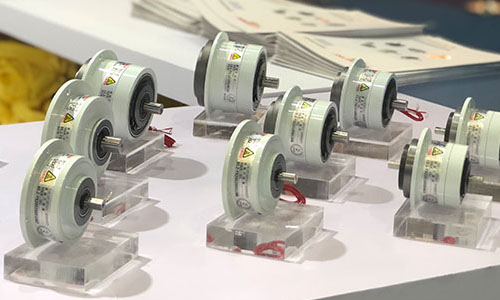
-
 Chinese
-
+86 13929211567
Professional Clutch & Brake Manufacturer— High-tech Enterprise、Source Factory—
Chinese
+86 13929211567
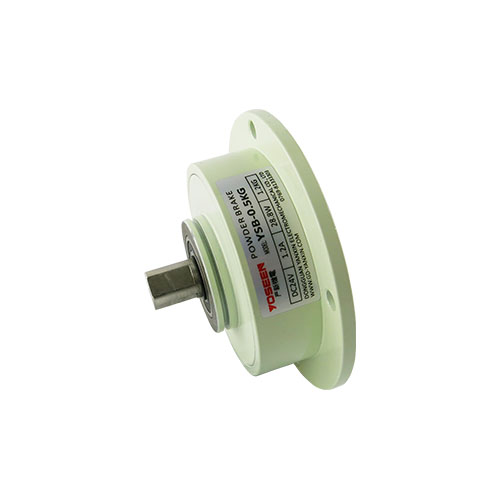
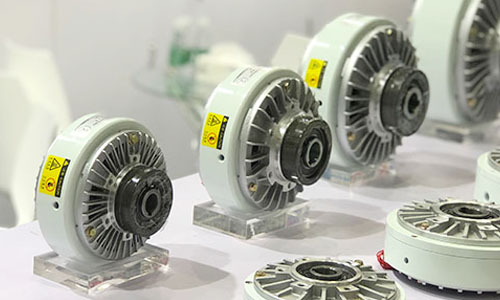
Magnetic powder brake is a special braking component for electromagnetic tension control. It is filled with ultra-fine magnetic alloy powder inside and controls resistance torque via DC excitation current. It is mainly applied to constant unwinding tension control, load loading and buffer braking.
Magnetic Powder Brake
Now let’s talk about the key aspects of daily maintenance for magnetic powder brakes.
1. Daily Startup Inspection (Mandatory before shift, 5 minutes)
Temperature Check
Touch the cooling housing during operation; normal temperature ≤60℃. If it is too hot or smoking, the slip power exceeds the standard. Shut down immediately for cooling to avoid sintering failure of magnetic powder.
For water-cooled models, check whether inlet and outlet pipes are blocked or leaking, and confirm smooth water flow.
Abnormal Noise and Vibration Troubleshooting
Listen to sound under idling and loaded operation. Uniform slight friction noise is normal. Clicking impact noise or vibration mostly results from bearing wear, agglomerated magnetic powder or installation misalignment.
Tension Stability Observation
Check if the web suffers alternating tightness, shifting or stretching. In case of severe tension fluctuation, firstly check whether wiring terminals are loose or oxidized.
Sealing and Oil Stain Inspection
Check for oil seepage or leakage at the shaft oil seal. Lubricating oil, cutting fluid or detergent wastewater splashing into the unit will directly cause magnetic powder failure. Shut down and replace oil seals once leakage occurs.
Heat Dissipation Channel Cleaning
Clear dust, plastic debris and fiber fluffs on air-cooled cooling fins and fan surfaces at any time. Blockage will lead to rapid temperature rise and accelerated magnetic powder wear.
2. Weekly Routine Maintenance
Bearing Lubrication
Inject high-temperature resistant grease into the oil nozzles of both ends of bearings. Refill every 7 days for hollow shaft / single shaft types; shorten the interval to 3 days for high-speed slitting equipment.
Clean and Fasten Circuits
Cut off power and fasten excitation terminals and tension controller connectors. Wipe away dust and oil stains to prevent unstable current and tension jitter caused by poor contact.
No-load Running-in
Run without coiled materials, apply around 30% excitation current for intermittent start-stop 10 times to break agglomerated magnetic powder and restore tension linearity.
Clean Mounting Base
Remove dust and metal debris on contact surfaces of reels and flanges to ensure coaxial installation of the brake. Eccentricity will accelerate bearing and magnetic powder wear.
3. Monthly In-depth Maintenance (Shutdown Maintenance)
Overall Dust Removal
Use brushes and compressed air to blow plastic dust, metal powder and non-woven fluffs off the housing, cooling slots and gaps. Dust entering oil seals will abrade sealing parts.
Torque Performance Test
Adjust current gradually from 0~100% matched with a tension controller and observe torque linearity. If slipping occurs in the middle range or no resistance under low current, magnetic powder suffers severe loss and needs replenishment or replacement.
Oil Seal Wear Inspection
Dismantle end covers and check shaft seals. Replace directly if hardened, cracked or chipped. Oil leakage is a common cause of magnetic powder scrapping.
Water Circuit Maintenance for Water-cooled Models
Clean water circuit filters, replace circulating cooling water and remove pipeline scale. Heat dissipation blockage by scale leads to high-temperature slipping.
Coaxiality Calibration
Offset between reel and magnetic powder brake shaft causes one-sided wear of magnetic powder. Readjust fixing brackets to guarantee concentric rotation.
4. Special Maintenance for Long-term Continuous Production (24-hour Machines)
Install an external cooling fan for auxiliary cooling and control housing temperature within 50℃;
Replenish bearing grease every 15 days;
Dismantle the cavity to inspect magnetic powder status every 3 months; replenish magnetic powder in time when half is consumed;
For workshops with abundant oil vapor and moisture, inspect oil seals monthly and shorten the replacement cycle of sealing components.
5. Core Specifications for Magnetic Powder Management and Replacement Maintenance
Judgment Criteria for Magnetic Powder Failure
Obviously lower tension under identical current, web slipping, non-linear torque curve and faster equipment temperature rise indicate consumed or agglomerated magnetic powder.
Standard Operation for Powder Replenishment / Replacement
Pour out old magnetic powder after disassembly, clear oil stains and agglomerated impurities inside the cavity, then add brand-new magnetic powder of the same specification. Do not randomly mix new and old powder, which easily triggers unstable tension.
Perform no-load running-in more than 20 times after powder replacement before formal production.
Service Life Reference: Magnetic powder needs replacement after 3,000–8,000 hours under continuous slip operation all day; the service life can extend to more than 10,000 hours for intermittent operation.
6. Operation Prohibitions (Maintenance Tips to Extend Service Life)
Long-term full-torque and overload operation is forbidden; reserve 20% torque margin during model selection;
Do not operate beyond the rated rotational speed. Overspeed accelerates magnetic powder oxidation and bearing damage;
Waterproof and moisture-proof: set up shielding near humid workshops and washing equipment. Magnetic powder agglomerates once water vapor enters the cavity. Power on and run under no load for 10 minutes weekly to dry damp units;
Avoid oil infiltration: prevent cutting oil, lubricant and detergent wastewater from splashing onto brake shaft seals;
Ban cantilever installation with unilateral force, which causes uneven bearing stress and rapid damage;
Long-term shutdown storage: thoroughly clean the cavity, seal wiring ports, store in dry and ventilated areas, and power on for operation once per month against moisture.
7. Synchronized Maintenance of Supporting Accessories (Tension Controllers, Sensors)
Wipe films and dust off tension sensors weekly to avoid drifting detection values;
Prevent oil and dust accumulation on controllers, cut off power regularly for dust removal;
Avoid extrusion and damage to control cables. Cracked wires with leakage result in abnormal brake output torque.
8. Maintenance Solutions for Related Faults
Normal performance when cold, slipping after temperature rise: insufficient heat dissipation; clean air channels or switch to water-cooled models.
Alternating high and low tension: loose terminals / agglomerated magnetic powder; fasten circuits, disassemble, clean and replace magnetic powder.
No braking resistance at all: coil open circuit; test excitation winding with a multimeter.
Persistent abnormal noise: insufficient bearing lubrication / damaged bearings; replace bearings and inject lubricating grease.

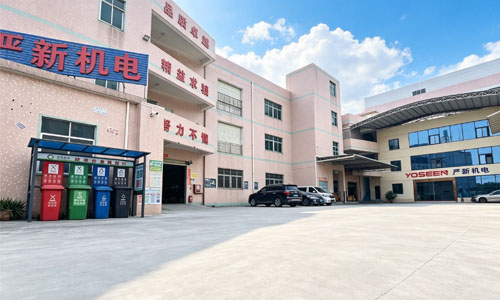
Factory Area 1: No.1 Wusong Third Street, Yuwu Industrial Zone, Dongcheng Street, Dongguan City, Guangdong Province
Second Factory Area: No.1 Wusong Second Street, Yuwu Industrial Zone, Dongcheng Street, Dongguan City, Guangdong Province